
AI in Digital Health, From Early Detection to Responsible Deployment
When structured oversight meets practical innovation, the result is systems that are not only technically sound but actually usable.
When structured oversight meets practical innovation, the result is systems that are not only technically sound but actually usable.

Endeavor Health is studying Exact Sciences’ Cancerguard blood test to help see if multi-cancer detection should be deployed widely across hospitals. The five-year study aims to fill gaps in real-world evidence on how these tests perform and how they fit into routine healthcare.

What if health plans could identify member decline before an avoidable hospitalization occurs? Real-time clinical visibility into long-stay SNF members uncovers risk earlier and drives better outcomes.

Cancer rates are climbing among younger Americans, and healthcare leaders are calling for earlier screenings, more convenient testing options and expanded health plan coverage to help catch cases before they’re fatal. From at-home tests to multi-cancer detection tools, stakeholders across the industry are working to boost access to early detection.
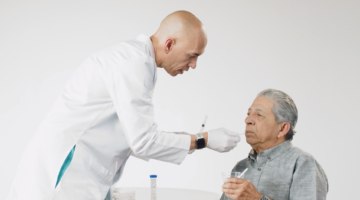
Endoscopy, the standard for detecting esophageal precancer, is quite an invasive procedure — so a lot of people who should be screened end up never being tested. Lucid Diagnostics is trying to solve this problem by selling a quick, office-based diagnostic.

By addressing each community’s unique needs with tailored, culturally responsive care and cross-sector collaboration, we can empower healthcare providers to drive lasting, equitable outcomes.
Cancer treatment is one area that could benefit significantly from AI, as it can aid in early detection, precise diagnosis, and personalized treatment plans.


In an interview, Kyan Health Co-Founder and Chief Commercial Officer Konstantin Struck discussed how Kyan gives mid-market and enterprise employers access to premium workforce mental healthcare, at a price point that is affordable.

Cytovale, a San Francisco-based medical diagnostics company, raised $84 million in Series C funds to advance the commercialization of its diagnostic test for early sepsis detection. Using standard blood draws, the test provides results in under 10 minutes. It is meant to detect sepsis in patients who present to hospital emergency departments.

Johnson & Johnson released research this month showing that its system for robotic-assisted bronchoscopy helped physicians achieve an over 15% improvement in overall diagnostic yield compared to traditional bronchoscopy. This could mean that fewer patients will have to “wait and see” while their cancer potentially gets worse.

As more life-extending medications come on the market, health systems have a responsibility to make meaningful changes in how they screen and reach older adults. Earlier detection could mean millions of individuals enjoy longer lives of good cognitive health.

Neko Health recently raised €60 million (about $65.8 million) in Series A financing. The Stockholm-based startup's medical scanning technology aims to conveniently and affordably collect extensive health data to aid doctors in catching diseases early. The company’s scan takes about 10 minutes and costs €250 (about $275).

Healthcare decision-makers, especially at pharmaceutical companies, must prioritize patient input. Data collected from social media listening is a significant step in the right direction.
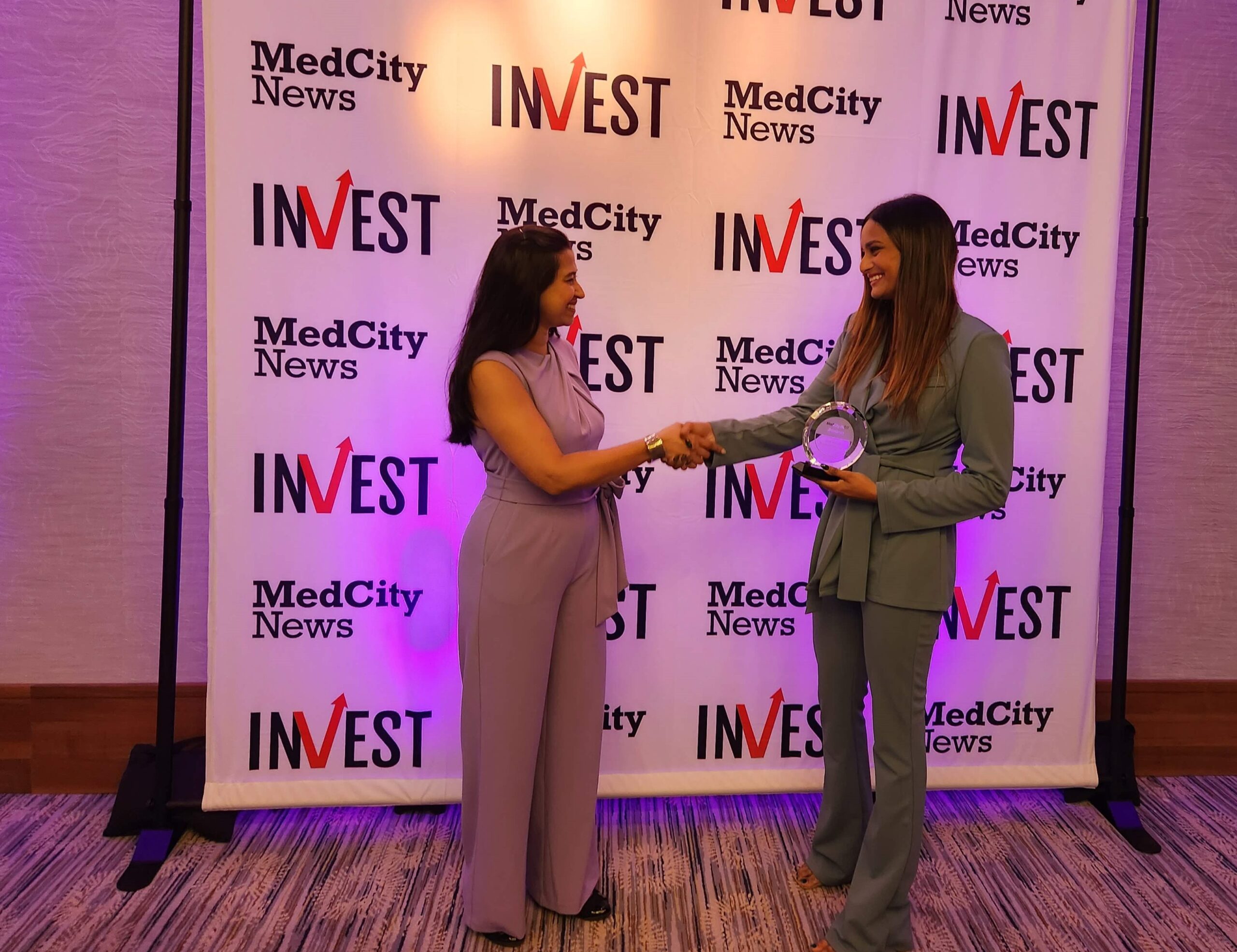
Prana Thoracic, a startup focused on earlier detection and intervention for lung cancer, recently won the medical devices track of the MedCity News INVEST Pitch Perfect contest. The company is developing a minimally invasive electrosurgical device to help thoracic surgeons better excise smaller and intermediate-size lung nodules.

New York-based startup Ezra recently received FDA clearance for an AI tool it plans to use to launch “the world's first 30-minute full body MRI scan.” The tool, named Ezra Flash, enhances the quality of MR images so that radiologists can detect cancer earlier.
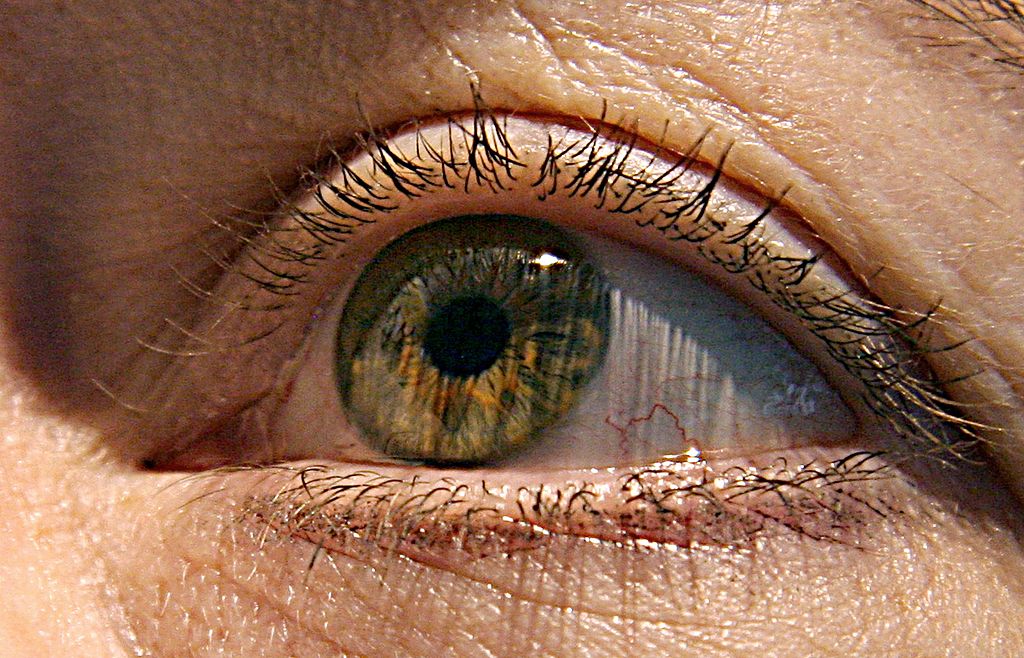
Ascertain — a healthcare AI company creation platform formed last year by Northwell Health and Aegis Ventures — has launched its first startup. New York-based Optain, which has gained an initial seed investment of $12 million, is an AI company meant to enable earlier disease detection and prevention through retinal imaging.

Early detection and treatment of heart failure can greatly improve an otherwise poor prognosis. Research from Mayo Clinic suggests artificial intelligence could be used to detect the condition even when no symptoms are present.

The Eko App uses automated disease detection software and is paired with the company's line of smart stethoscopes to analyze heart sounds with FDA-cleared AI algorithms. The redesigned app includes a range of new features to analyze heart sounds and cardiac rhythm for potential problems, the company said.